

Success rates
55%
IVF & ICSI Clinic pregnancy average for ages 30-35
242 Google reviews
ICSI
Intracytoplasmic Sperm Injection
Sometimes fertility treatment needs a more tailored approach. ICSI, or Intracytoplasmic Sperm Injection, is a form of IVF where a single sperm is carefully selected and injected into an egg. It can be an important treatment option in cases of male-factor infertility, unexplained infertility, or when eggs have previously been frozen. At Thérapie Fertility, your treatment plan is based on your fertility history, test results and personal circumstances. We combine expert laboratory care with clear, compassionate support, so you understand your options and feel guided at every stage of treatment.
All inclusive pricing
ICSI
€4,995
- Monitoring
- Egg Collection
- ICSI
- Blastocyst
- Embryo Freezing
- Embryoscope
- Fresh Embryo Transfer




What is ICSI and how does it work?
ICSI means Intracytoplasmic Sperm Injection. It is a type of IVF in which a single sperm is selected under a microscope and injected directly into a mature egg by an embryologist.
In standard IVF, eggs and sperm are placed together in a dish, and fertilisation takes place overnight in the laboratory. In ICSI, the fertilisation step is more targeted. This is why ICSI is often recommended when there are sperm-related concerns, previous low fertilisation, or when frozen eggs are being used.
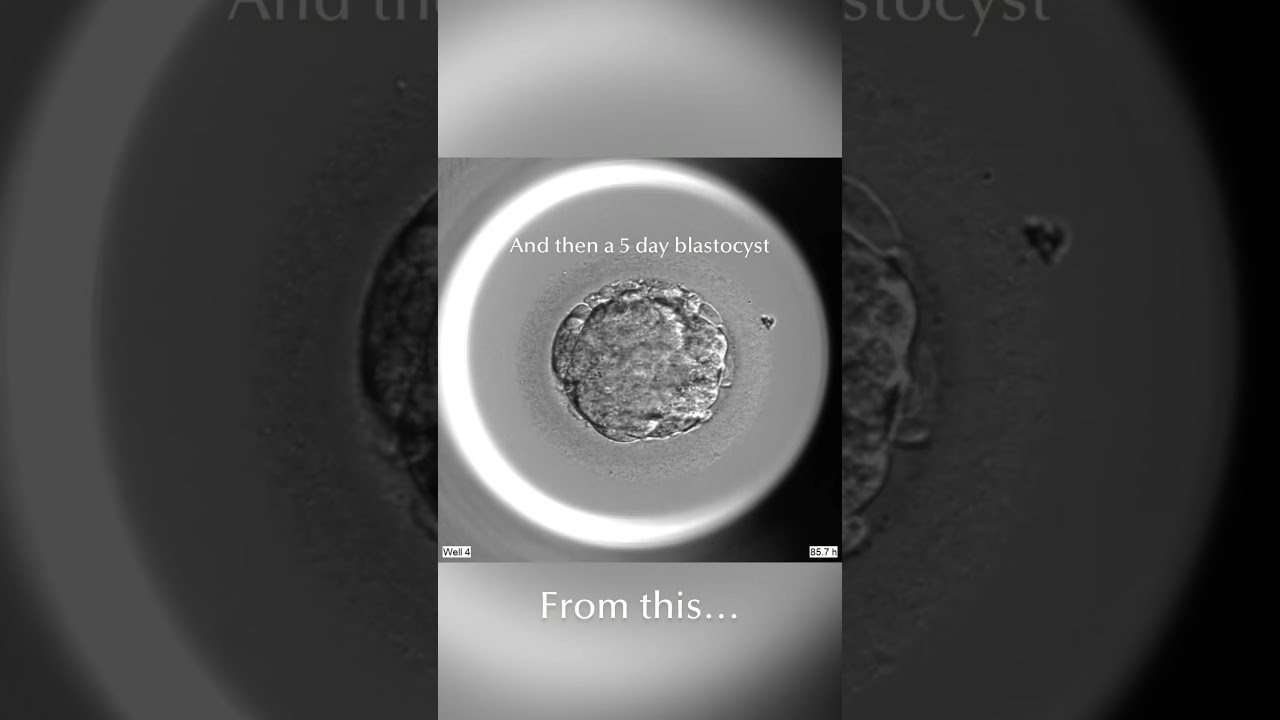
Once fertilisation takes place, the embryos are cared for in exactly the same way as they would be in an IVF cycle. Embryos are usually cultured to day 5 or 6 in our EmbryoScope time-lapse incubator at no additional cost, before being transferred or frozen for future use.

Understanding more about ICSI
with our Medical Director Dr. John
The ICSI process
You may need ICSI if sperm health is likely to affect fertilisation, if you have had poor fertilisation in a previous IVF cycle, or if frozen eggs are being used. In some cases, a cycle that was originally planned as IVF may be changed to ICSI if the sperm sample on the day is not suitable for standard insemination.
How do I know if I need ICSI?
You may need ICSI if sperm health is likely to affect fertilisation, if you have had poor fertilisation in a previous IVF cycle, or if frozen eggs are being used. In some cases, a cycle that was originally planned as IVF may be changed to ICSI if the sperm sample on the day is not suitable for standard insemination.
The best way to know whether ICSI is right for you is through a fertility consultation and testing. We will review both partners’ fertility health, any previous treatment (if relevant), and your goals before recommending the most suitable approach.

Why choose Thérapie Fertility for ICSI?
ICSI treatment is not only about what happens in the lab. It is also about knowing why it is being recommended, understanding what to expect, and feeling supported through each decision. From your first consultation to treatment planning, monitoring and aftercare, our team is here to guide you with honesty and expertise.
- Affordable ICSI treatment with clear, upfront pricing
- Accessible care with no waiting lists
- Evidence-based treatment with no unnecessary add-ons
- Personalised plans built around your fertility history and goals
- Advanced embryology expertise for precise fertilisation
What our patients say
Victoria Kalandadze
2 weeks agoI had the most attentive and amazing experience with Thérapie Fertility from the moment I walked in for my consultation. It was incredibly informative, and I felt genuin…
Google ReviewIgotboomed Google Account
2 weeks agoWe started our journey with Thérapie in January 2024, after so many years of struggle and being let down by the NHS. We were terrified to reach out to a private clinic, b…
Google ReviewAndy 'aree
2 weeks agoThe staff were and still are very supportive, understanding, and communicative during a difficult time.
Google ReviewLaura Kearns
2 weeks agoWe cannot recommend Thérapie Fertility enough. Our baby boy is now 6 months old through ICSI thanks to Thérapie which is something we once thought we would never have🩵 w…
Google ReviewAllie
2 weeks agoI froze embryos with Therapie Fertility earlier this year due to a complex medical history that may lead me to have difficulty conceiving in the future. Many clinics don’…
Google ReviewSerena Rush
2 weeks agoI cannot recommend Thérapie Fertility enough. I underwent treatment at Thérapie Fertility and the care that I received from all members of staff was absolutely fantastic.…
Google ReviewErin Shanks
3 weeks agoI honestly can’t thank Therapy Fertility both Dublin and the Belfast clinic enough for everything they’ve done for me and my family. From the very beginning of our journe…
Google ReviewNicole Hempenstall
3 weeks agoI could not recommend therapie fertility more I have told so many friends and family about their welcoming, kindness and relaxed environment they provide. We were so luck…
Google ReviewKatie Chadburn
3 weeks agoWow where do I even begin!? The care, empathy, skill and joy this clinic bring to their patients is really something other clinics should aspire to. We had our IVF round …
Google ReviewA C
4 weeks agoWriting this review with my 6 month old in my arms. I will forever be grateful to all the team in Thérapie ❤️ our first round of ICSI was successful and we were supported…
Google ReviewDorina Bukhtiar-solyom
a month agoWe cannot thank the team at Thérapie Fertility Carrickmines enough for the care, kindness, and support we received throughout our fertility journey. From our very first a…
Google ReviewAndrea Breen
2 months agoWe couldn’t recommend Thérapie Fertility more. Every question was answered, every worry was taken seriously, and we were supported every step of the way. You can really f…
Google Review
&w=3840&q=75)
&w=3840&q=75)
Sharing oursuccess rates
ICSI success rates vary from person to person. Factors such as age, egg quality, sperm health, embryo development and medical history can all influence the outcome. At our clinic, we explain your individual chances using your test results and treatment plan, so you have a realistic understanding of what may be possible.
See our success rates



Your ICSI questions answered
Quick answers to the questions we hear most often about ICSI at Thérapie Fertility.
View all ICSI questionsThe best way to know whether ICSI is right for you is through an individual consultation. We will look at your fertility testing, medical history, sperm health, previous treatment and goals to help you understand whether IVF, ICSI or another route may be most appropriate.
Age can influence ICSI outcomes because egg quality and quantity tend to change over time. However, ICSI success rates by age are only part of the picture. Sperm health, embryo quality, treatment history and your wider fertility profile also matter.
The ICSI meaning, in simple terms, is that one sperm is selected and injected directly into one egg. It is a laboratory technique used within IVF to support fertilisation in specific circumstances.
The cost of ICSI treatment can vary depending on what is included in the package, such as monitoring, egg retrieval, embryo culture, transfer and freezing. When comparing clinics, it is important to look beyond the starting price and understand exactly what is covered. At Thérapie Fertility, we believe ICSI pricing should be clear and transparent. The cost of ICSI treatment should be understood in the context of the full cycle, including monitoring, egg retrieval, fertilisation, embryo culture, fresh transfer and embryo freezing.
For most patients, an ICSI cycle takes about one month from the start of medication to the pregnancy test. The exact timeline can vary depending on your treatment plan and how your body responds during the cycle.
Ready to talk it through?Book a free consultation
- No waitlist
- Clinical experts
- Transparent pricing